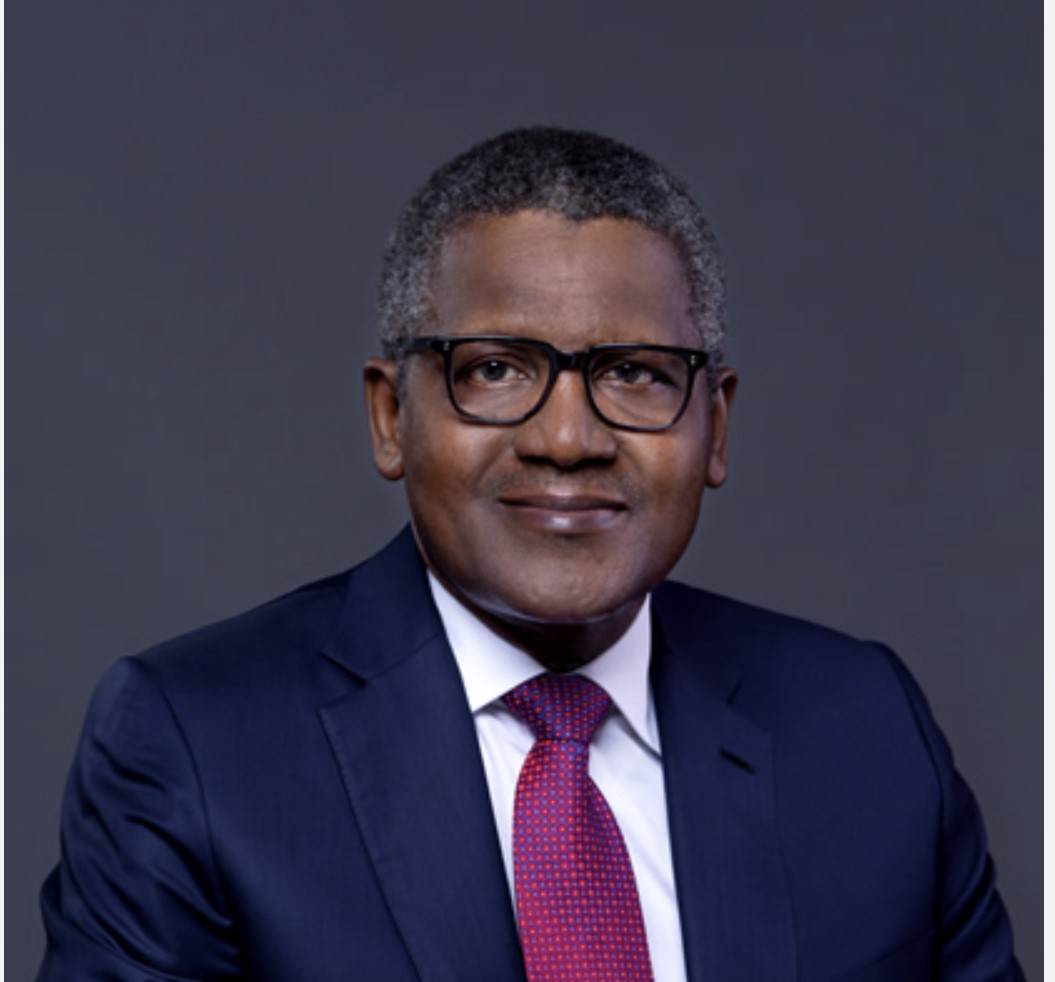
Civil society organisations have called on the federal government to urgently investigate corruption allegations made by Dangote Group President, Aliko Dangote, against the Chief Executive Officer of the Nigerian Midstream and Downstream Petroleum Regulatory Authority (NMDPRA), Farouk Ahmed.
Dangote recently raised concerns over Nigeria’s continued dependence on fuel imports, warning that the policy was hurting local refining and discouraging investment. He revealed that import licences covering about 7.5 billion litres of Premium Motor Spirit (PMS) were allegedly issued for the first quarter of 2026, despite the country having sufficient domestic refining capacity.
According to him, modular refineries are already struggling to survive under the current policy environment, and the continued issuance of import permits is pushing them closer to collapse.
Beyond the issue of fuel imports, Dangote also accused the NMDPRA boss of living far beyond his legitimate earnings. He called for an investigation by the Code of Conduct Bureau (CCB) over allegations that Ahmed sent his children to secondary schools in Switzerland, allegedly paying as much as $5 million in tuition fees.
“The Code of Conduct Bureau or any appropriate body should investigate this matter,” Dangote said. “If he denies it, I will publish the tuition payments and take legal steps to compel the schools to disclose the records. I am not calling for his removal, but for accountability. What is happening amounts to economic sabotage.”
Dangote questioned how a public official could afford such fees in a country grappling with widespread poverty, noting that many parents in Ahmed’s home state of Sokoto struggle to pay basic school fees.
Reacting to the allegations, Executive Director of Transparency International Nigeria, Auwal Musa Rafsanjani, said the claims should not be ignored. He stressed that the allegations raised serious questions about asset declaration and the lifestyle of public officials.
“If this allegation is true, it is a serious indictment of the system,” Rafsanjani said. “At a time Nigerians are battling hardship, no public official should be living far above their means. The government must investigate this thoroughly.”
Rafsanjani added that public institutions suffer because officials often use public funds to educate their children abroad instead of strengthening local systems.
Meanwhile, investigations revealed that neither the Economic and Financial Crimes Commission (EFCC) nor the Independent Corrupt Practices and Other Related Offences Commission (ICPC) has received a formal petition on the matter. However, sources within the anti-graft agencies confirmed that they are empowered to investigate allegations raised in the public domain, even without a petition.
“Media reports can form the basis of investigations,” a source said.
Energy expert and President of the Nigeria Consumer Protection Network, Kunle Olubiyo, also weighed in, describing the alleged $5 million tuition fee as “humongous.”
“That amount can comfortably establish a functional modular refinery in Nigeria,” he said, urging anti-corruption agencies to probe the allegations in the interest of transparency.
Amid the growing tension, the House of Representatives has stepped in, urging Dangote Refinery and the NMDPRA to halt public accusations. The House Joint Committee on Petroleum Resources (Downstream and Midstream) said it convened an emergency meeting to prevent further escalation that could destabilise the sector.
The committee invited both parties for mediation and asked them to suspend media hostilities pending the outcome of its investigation, stressing the need to protect recent gains in fuel supply stability in the post-subsidy era.


