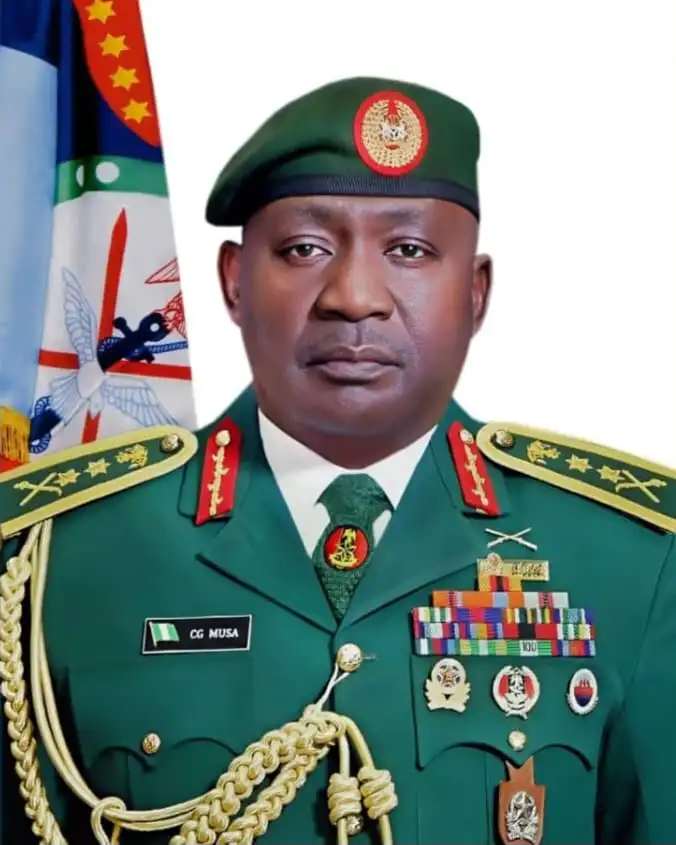
Speculation has been rife since President Bola Ahmed Tinubu relieved General Christopher Gwabin Musa and other service chiefs of their duties last Friday that the reshuffle might be linked to an alleged coup plot, a rumour that refuses to go away despite repeated denials from the military. Reports said at least 16 officers were detained and a former South-South governor questioned, further fuelling public suspicion.
Even as authorities dismissed them as unfounded, the lack of consistent, open communication at the top levels has allowed the doubts to fester. This underlines the need for government truthfulness-as once advised to Nigeria’s leaders by former U.S. President Jimmy Carter-to deny propagandists the leeway with which to distort facts.
Of equal importance is the dangerous ethnic framing of this coup rumour, which wrongly suggests that dissent or disloyalty is regionally driven. This framing portends a risk to national unity and an increase in divisions in a moment when what everyone needs is a toughened resolve for security and development.
Notwithstanding the speculation, the retirement of these service chiefs signals the end of an era characterised by renewed military strength under General Musa. Since his appointment in June 2023, Nigeria’s armed forces had recorded notable progress in combating insurgency, particularly in the North-East. Musa’s directive that empowered troops to respond instantly to attacks and not wait for orders from Abuja re-energized field operations and restored morale across commands.
But the larger war on terror remains unfinished. The military developed determination, yet government indecision about whether to negotiate with terrorists undermined consistent policy direction. To be truly victorious against insurgency, a firm stance is required: zero tolerance for terrorism and no backdoor compromise of either justice or security.
With new security leaders at the helm, they have been handed a far stronger military but a fragile national psyche. The next phase requires openness at the top, cohesion at the grassroots, and a solid, uncompromising plan of action to defeat terror. Community cooperation, not air strikes, is what must form the bedrock of Nigeria’s defence. Only then can the country move beyond rumour, fear, and division toward lasting peace and security.


