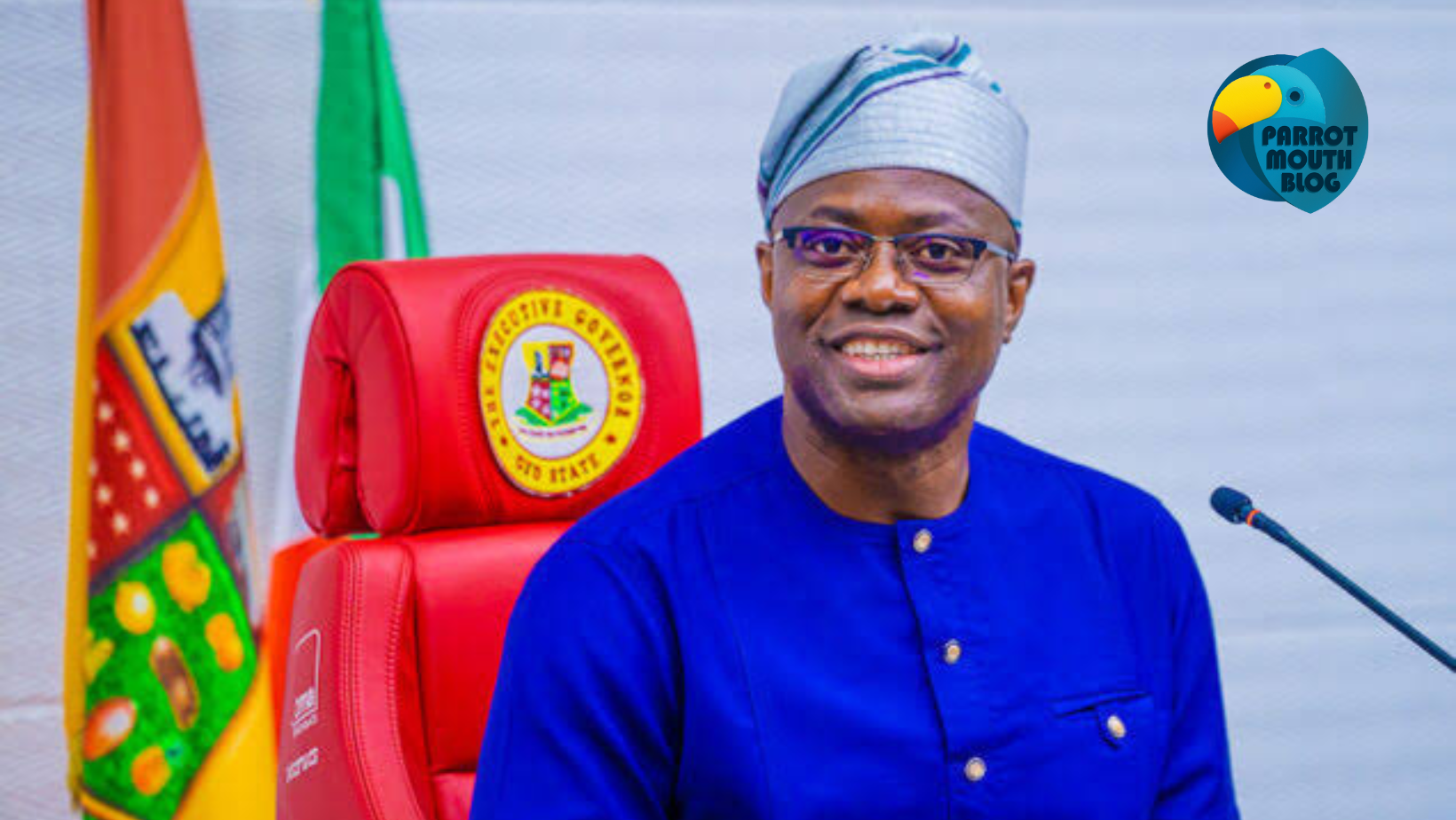
Oyo State Governor, Seyi Makinde, has said his administration is more focused on creating opportunities that help people lift themselves out of poverty, rather than relying on handouts and cash giveaways.
The governor made this known during a media chat with journalists at the Government House in Ibadan, where he explained the thinking behind his government’s social and economic policies.
“For us in Oyo State, we don’t believe in handouts,” Makinde said. “Our focus is to create a conducive environment where people can access opportunities and, through their own efforts, move themselves out of poverty.”
He argued that cash transfers and welfare handouts often provide only short-term relief and rarely lead to lasting change. Recalling an experience from earlier in his career, Makinde said he once witnessed how well-intended resettlement efforts failed over time.
“I was at the Shell Bonny Terminal during the Nigerian LNG project. Fishermen were relocated and decent houses were built for them. In less than five years, the area had turned into a shanty town again,” he said.
According to the governor, that experience shaped his views on poverty alleviation and explains why he disagrees with some development partners on strategy.
“I’ve had this argument with the World Bank,” Makinde revealed. “Their preference is conditional cash transfers give people money. But I said no.”
Instead, he said Oyo State chose a different path by supporting people’s ability to work, earn and remain productive.
“When the country hit economic headwinds, many states focused on palliatives sharing food and relief items. We did that too, but we went further,” he explained.
Makinde said the state introduced the SEFA programme Sustainable Action for Economic Recovery to provide structured, long-term support rather than temporary relief.
One of SEFA’s key interventions, he said, is in public transportation. The state-owned Pacesetter Transport Service, which carries about 20,000 passengers daily, offers discounted fares to vulnerable groups.
“For students, the elderly and people with disabilities, fares are reduced by 50 per cent,” Makinde said.
He disclosed that the state spends about ₦100 million every month on the transport subsidy, describing it as an investment in productivity, not a giveaway.
“That ₦100 million is not just spent; it’s invested in productivity,” he said.
The governor stressed that the goal is not to encourage unnecessary travel, but to help people get to places where they can earn a living or improve their wellbeing.
“You’re not entering the bus just for a ride because it’s cheaper,” he said. “You’re going somewhere important somewhere that can lead to something productive.”
Makinde said the approach reflects his administration’s commitment to sustainable development and building long-term economic resilience in Oyo State, rather than quick fixes that fade with time.


