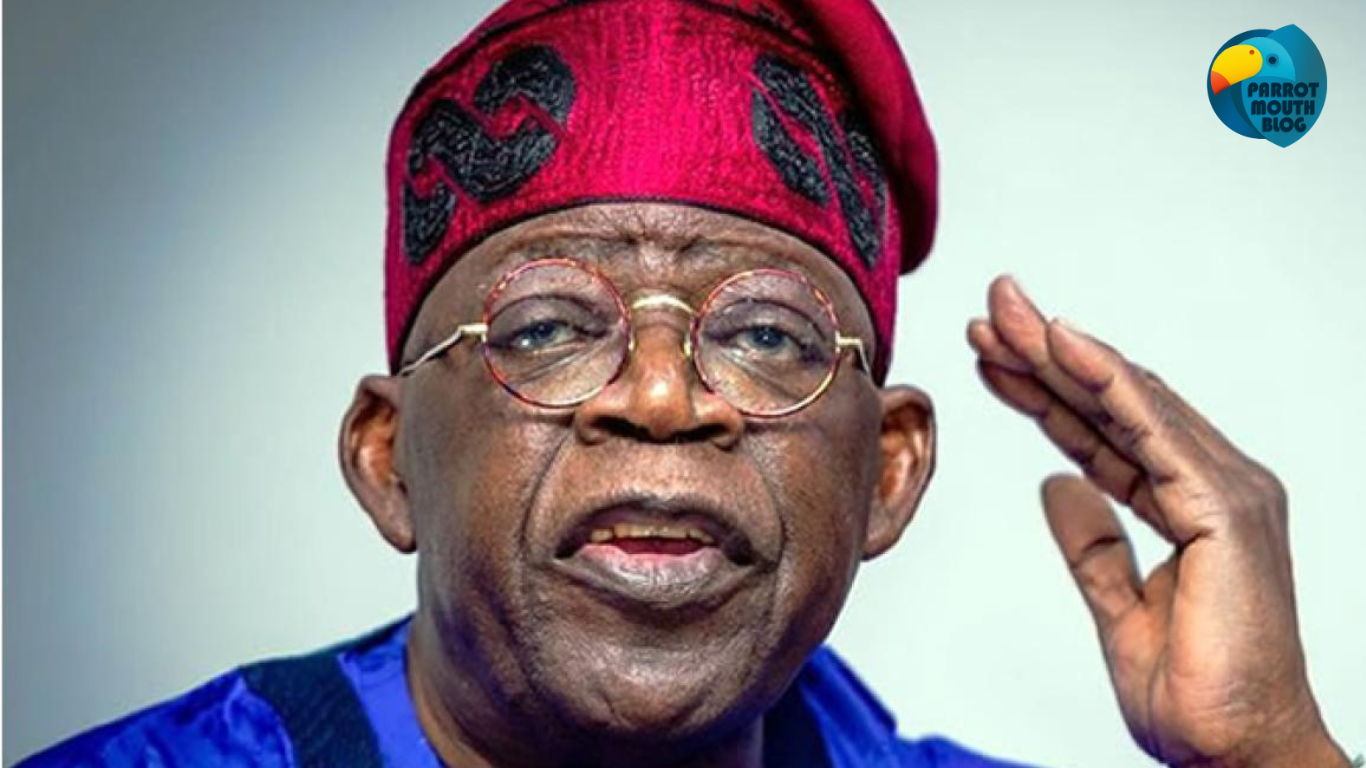
Expectations are rising across the country following President Bola Tinubu’s proposed ₦58.18 trillion national budget for 2026, which experts believe could ease pressures on households, support small businesses and improve the overall business environment if properly implemented.
Presented to the National Assembly last week, the 2026 spending plan is one of the largest in Nigeria’s history. A closer look shows a strong focus on security, with ₦5.41 trillion earmarked for defence and internal security, up from ₦4.91 trillion in 2025. Analysts say this increase signals the government’s determination to tackle insecurity that has disrupted farming, trade and daily life in many parts of the country.
Education and health allocations remain unchanged at ₦3.52 trillion and ₦2.48 trillion respectively, while infrastructure spending dropped slightly from ₦4.06 trillion in 2025 to ₦3.56 trillion in the proposed budget. Despite the reduction, economists say investment in transport, energy and ports could still improve connectivity, create jobs and reduce living costs by cutting logistics and energy expenses.
Beyond the figures, experts say the real test of the budget lies in how it affects ordinary Nigerians. Improved security could mean safer travel, more stable farming seasons and fewer disruptions to local businesses. Better roads and power supply could lower transport costs, reduce reliance on generators and make goods cheaper in the markets.
The Director of the Centre for the Promotion of Private Enterprise (CPPE), Dr Muda Yusuf, described the emphasis on security as both “necessary and commendable,” noting that no meaningful economic or social progress can occur without safety. He added that sustained investment in education, health and infrastructure is critical for productivity, human capital development and inclusive growth.
However, Yusuf and other analysts stressed that the success of the 2026 budget depends largely on execution. Past budgets, including 2025, suffered from under-implementation due to revenue shortfalls and rising debt servicing. “A budget only has value when it is implemented,” Yusuf said, calling for timely, transparent and disciplined execution.
Economists also warned that while increased spending brings hope, funding the budget could place pressure on citizens through stricter tax enforcement and higher levies, especially for small businesses and professionals. With revenue performance in 2025 falling well below targets, concerns remain about how much of the 2026 plan will be realised.
For small and medium-sized enterprises, the stakes are high. Effective infrastructure spending could lower operating costs and boost profits, while poor execution could leave businesses struggling with high energy bills, bad roads and multiple taxes.
Still, many analysts see the 2026 budget as an opportunity. If capital projects are delivered, public services strengthened and social spending protected, households could enjoy lower living costs, communities could benefit from better connectivity, and businesses could operate in a more stable environment.
In the end, experts agree that the ₦58.18 trillion budget represents both hope and risk. Its true impact will not be measured by its size, but by how much of it translates into safer streets, better roads, reliable power, quality schools and affordable healthcare for everyday Nigerians.


