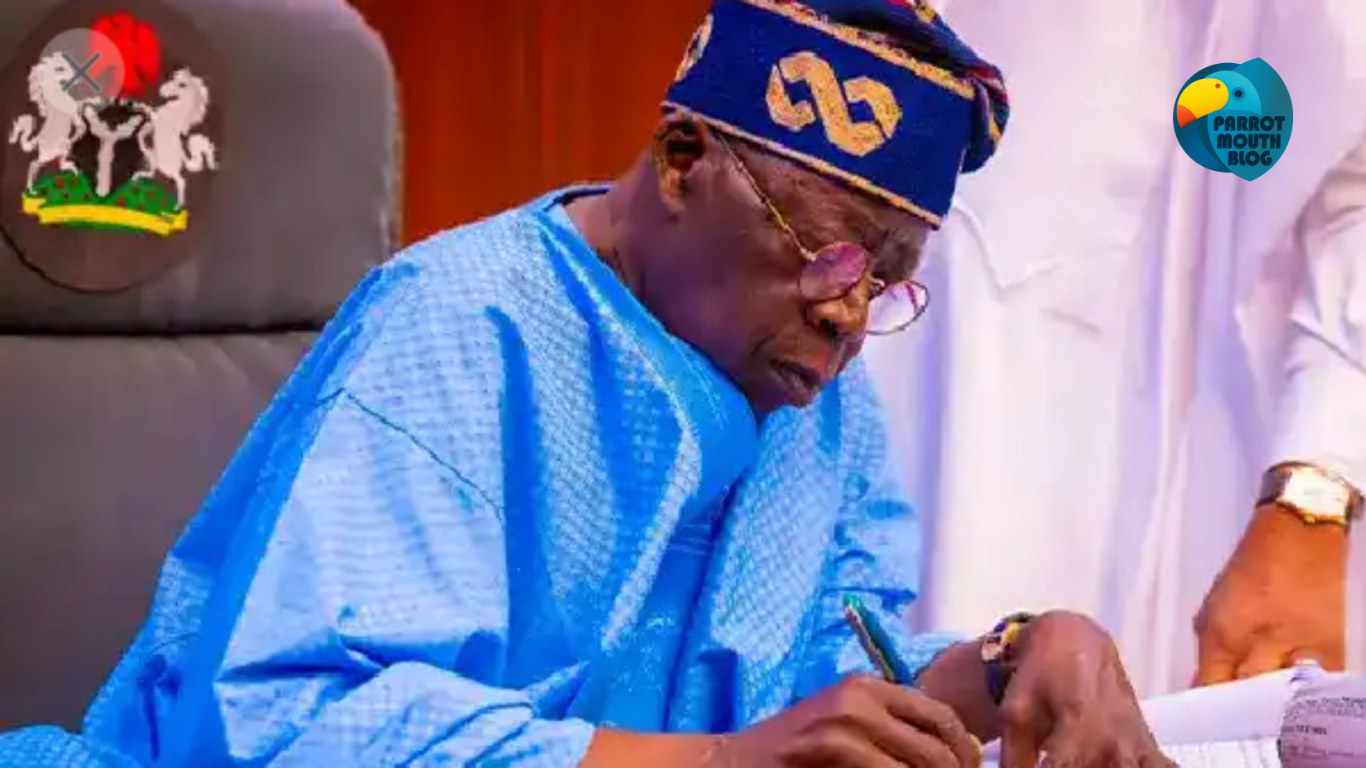
Nigeria’s Revenue Mobilisation Allocation and Fiscal Commission wants to increase salaries for the country’s political leaders, saying their current pay is too low for today’s economy.
At a Monday press conference in Abuja, Commission Chairman Mohammed Shehu revealed that President Bola Tinubu earns just ₦1.5 million per month, while ministers make less than ₦1 million.
These salaries haven’t changed since 2008.
“You’re paying the President of a country with over 200 million people only ₦1.5 million a month. Everyone thinks that’s ridiculous,” Shehu said.
He explained that ministers and other top officials earn far less than heads of government agencies, with some agency bosses making ten to twenty times more than cabinet members.
“You can’t pay a minister less than ₦1 million monthly since 2008 and expect them to do their best work,” he added.
The Nigeria Labour Congress immediately opposed the proposal, arguing that raising politicians’ salaries ignores Nigeria’s widening gap between rich and poor.
The union also noted that political office holders already receive substantial allowances and benefits that boost their actual income well beyond their basic salaries.
Shehu clarified that his commission doesn’t set wages for regular government workers or determine the minimum wage.
Instead, the Constitution requires them to decide pay levels for politicians, judges, and lawmakers.
Despite facing criticism, Shehu maintained that salaries should match the important work done by ministers, agency directors, and the president.
“It’s time for people to support the Commission in creating fair living wages,” he said.
The commission announced it’s also reviewing how Nigeria divides money between different levels of government.
The current system from 1992 gives 52.68% of federal revenue to the national government, 26.72% to states, and 20.60% to local governments.
Special funds get smaller portions: 1% each for Abuja and environmental projects, 1.68% for natural resource development, and 0.5% for emergency reserves.
Shehu explained that states now handle more responsibilities than before, making the review necessary.
“This situation requires us to rethink how we share federal money to help individual states grow and depend less on the central government,” he said.
Previous efforts to change the formula have failed.
In 2022, the commission recommended 45.17% for federal government, 29.79% for states, and 21.04% for local governments, but the Buhari administration never adopted these changes.
Since revenue sharing has been a contentious political issue since independence, Shehu said the commission will keep working with various groups to achieve a fairer distribution of the nation’s wealth.


